How Often Chimneys Should Be Inspected And Cleaned
To ensure safety and efficiency, local contractors can help determine how often chimneys should be inspected and cleaned based on your usage and condition.
Property owners in the area often wonder how frequently chimneys should be inspected and cleaned to ensure safe and efficient fireplace use. Regular inspections help identify potential issues early, preventing costly repairs and reducing the risk of chimney fires or smoke problems. Whether a home relies on a fireplace for warmth or ambiance, understanding the recommended maintenance schedule is a practical step toward keeping the chimney system in top condition.
Local contractors who specialize in chimney inspection and cleaning can provide tailored advice based on specific property needs and usage patterns. They help ensure that chimneys are properly maintained, which is essential for safe operation and optimal performance. Keep reading to learn more about how often these services are typically recommended and how local service providers can assist in maintaining a safe and efficient chimney system.
- Chimney Inspection - homeowners with a fireplace that is used regularly may need inspections to ensure safety and proper function.
- Chimney Cleaning - property owners experiencing soot buildup or odor issues should consider cleaning services from local contractors.
- Chimney Inspection - after severe weather or if there are signs of damage, local pros can assess the chimney’s condition and recommend necessary repairs.
- Chimney Cleaning - before the start of the heating season, many people schedule cleaning to prepare for safe and efficient use.
- Chimney Inspection - homes with infrequent use or older chimneys might benefit from periodic inspections to identify potential hazards early.
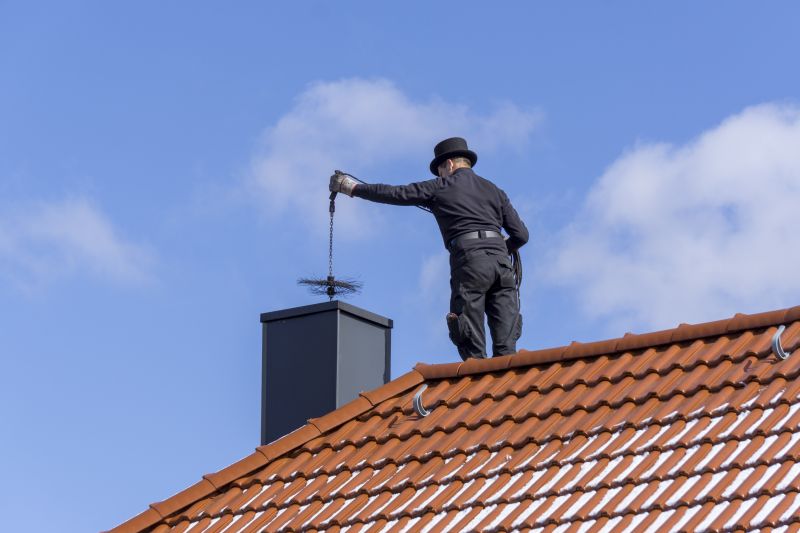
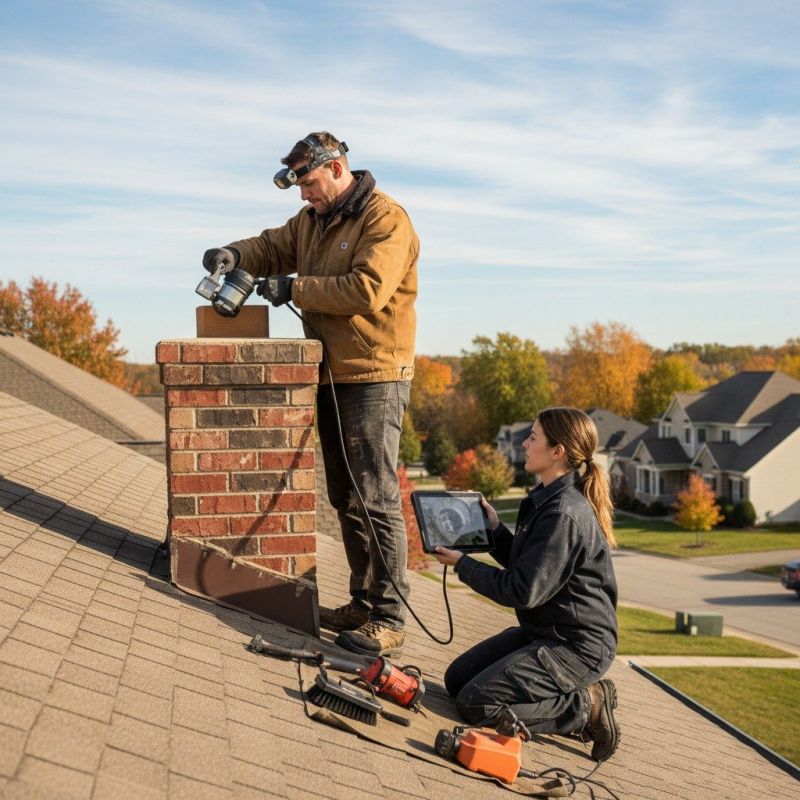
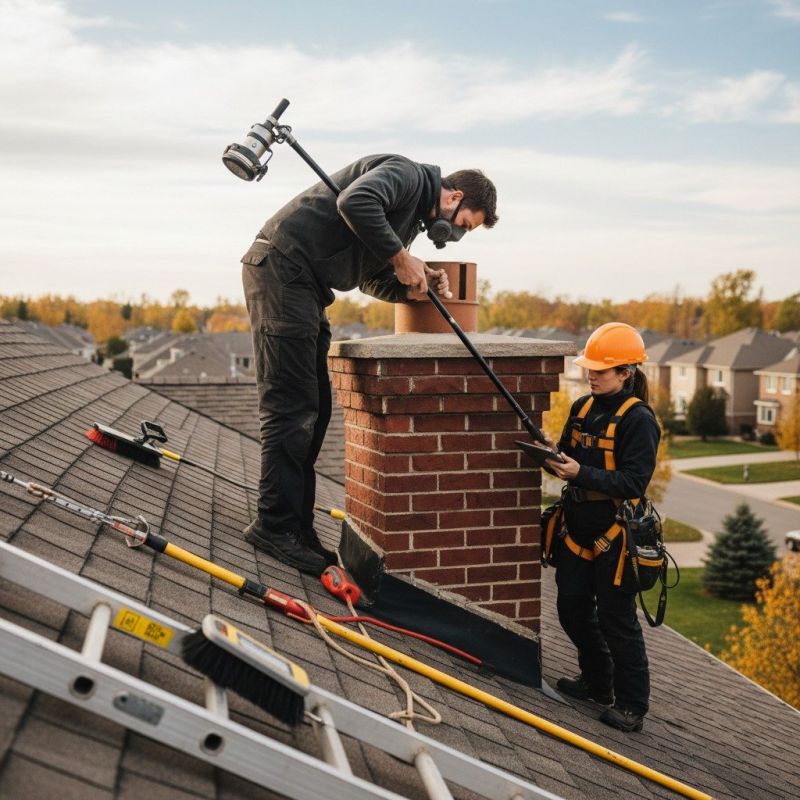
When people search for how often chimneys should be inspected and cleaned, they are usually looking for guidance on maintaining their fireplaces, wood stoves, or other heating appliances. Proper chimney maintenance is essential for ensuring safe and efficient operation, especially during colder months when these systems see frequent use. Homeowners often want to know the recommended inspection and cleaning schedules to prevent common problems such as creosote buildup, blockages, or structural damage. Understanding the right timing helps homeowners plan routine upkeep and avoid costly repairs or safety hazards caused by neglected chimneys.
The need for regular inspections and cleanings is closely related to the type of fuel burned, the frequency of use, and the overall condition of the chimney system. For instance, wood-burning fireplaces tend to produce more creosote, which can accumulate quickly and increase the risk of chimney fires if not addressed regularly. Gas fireplaces may require less frequent cleaning but still benefit from periodic inspections to check for leaks or blockages. Homeowners often consider their plans for seasonal use, potential renovations, or the age of the chimney when determining how often to schedule professional services. Service providers can assess these factors and recommend a maintenance routine tailored to each property’s specific needs.
Properties that typically come up in discussions about how often chimneys should be inspected and cleaned include single-family homes, historic residences, and multi-unit buildings with shared or individual chimneys. Residential properties with wood stoves or fireplaces usually need annual inspections, especially before the heating season begins. Older homes with masonry chimneys may require more frequent checks to address structural issues or deterioration. Commercial or multi-unit buildings might have different maintenance schedules depending on their use and building codes. Local contractors who specialize in chimney services can evaluate the unique characteristics of each property and help establish a maintenance plan that ensures safety and efficiency.
Understanding how often chimneys should be inspected and cleaned connects directly to real projects homeowners undertake to keep their properties safe and functional. Regular inspections can identify early signs of damage, blockages, or creosote buildup, allowing timely cleaning or repairs. These services are often part of broader home maintenance plans, especially for properties that see heavy or seasonal use. Local chimney inspection and cleaning professionals play a key role in providing expert assessments and performing the necessary work to keep chimneys operating safely. They help homeowners stay ahead of potential problems and maintain peace of mind, ensuring that their heating systems are ready when needed.
Chimney Repair Projects - professionals who perform chimney repairs often assess and address issues that can affect inspection and cleaning schedules, ensuring safety and efficiency.
Fireplace Installation Services - installing new fireplaces requires planning and knowledge of chimney systems, making these projects related to maintaining proper inspection routines.
Flue Liner Replacement - replacing or upgrading flue liners involves understanding chimney structure and helps ensure that inspections and cleanings are effective and timely.
Wood Stove Installation - installing wood stoves connects with chimney maintenance, as proper inspection and cleaning are essential for safe operation and compliance.
Chimney Cap Installation - adding caps to chimneys involves planning around the structure, which aligns with regular inspection and cleaning to prevent blockages and damage.
Ventilation System Upgrades - improving home ventilation often involves chimney components, requiring regular inspections and cleanings to maintain optimal performance.
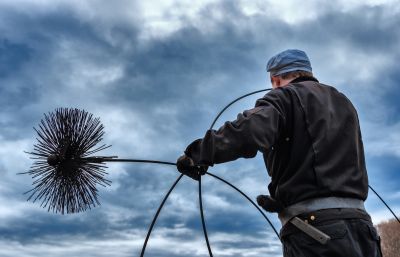
When evaluating chimney inspection and cleaning service providers, it is important to consider their experience with similar projects. Homeowners should inquire about how long the service providers have been performing chimney inspections and cleanings, especially in homes with comparable fireplace types or usage patterns. An experienced contractor is more likely to be familiar with the specific requirements for maintaining safe and efficient chimneys, ensuring that inspections are thorough and cleaning is effective. This background can provide confidence that the service provider understands the nuances of different chimney systems and can identify potential issues that may not be immediately obvious.
Clear communication of expectations is another key factor when comparing local contractors. Homeowners should seek service providers who are willing to explain the scope of work, including what will be inspected and cleaned, and how often these services are recommended based on the chimney’s condition and usage. A reputable professional will provide detailed information about the inspection process and outline what homeowners can expect during and after the service. This transparency helps ensure that both parties are aligned on the work to be performed, reducing misunderstandings and ensuring the chimney remains in safe, optimal condition.
Reputable references and good communication are essential components of choosing a reliable chimney inspection and cleaning service. Homeowners are encouraged to ask for references or reviews from previous clients to gauge the quality of work and customer satisfaction. Additionally, service providers who demonstrate clear, prompt, and responsive communication can make the experience smoother and more trustworthy. Effective communication allows homeowners to ask questions, express concerns, and receive guidance on how often chimneys should be inspected and cleaned, helping them make informed decisions about ongoing maintenance.
Property owners often search for how often chimneys should be inspected and cleaned when they are planning practical projects around their homes and businesses. Local pros provide Chimney Inspection and Cleaning services for everyday jobs and straightforward project options.
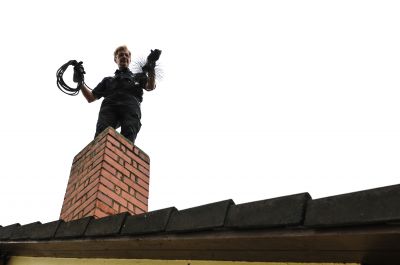
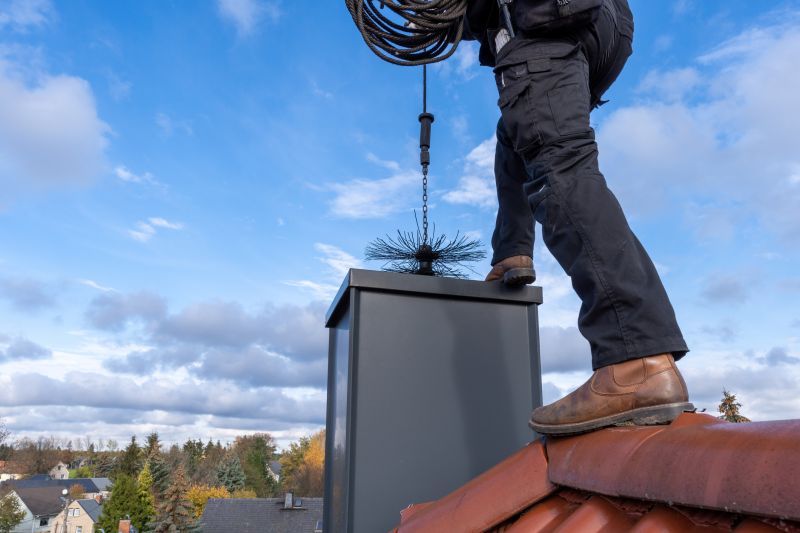
Regular chimney inspections and cleanings are essential for property owners who use their fireplaces frequently or live in areas with high levels of smoke and debris. Many local contractors recommend having a chimney inspected at least once a year to identify any buildup of creosote, blockages, or damage that could affect safety and performance. For households that burn wood regularly or have older chimneys, more frequent inspections-perhaps every six months-may be advisable to ensure the chimney remains in good condition and operates efficiently.
Property owners often look up this topic to determine when to schedule professional chimney services to prevent potential hazards like chimney fires or leaks. Local service providers can assess the condition of a chimney, remove creosote buildup, and address any structural issues that might compromise safety. Regular inspections and cleanings from experienced contractors help maintain the chimney’s functionality and can extend its lifespan, making it a practical step for those seeking peace of mind and reliable heating during colder months.
How often should chimneys be inspected? It is recommended to have chimneys inspected at least once a year to identify any issues that may affect safety and efficiency. Local contractors can perform thorough inspections to ensure proper function and safety compliance.
How frequently should chimneys be cleaned? Chimneys should typically be cleaned once a year, especially if used regularly, to remove soot and creosote buildup that can pose fire hazards. Local service providers can handle routine cleaning to keep chimneys safe and functional.
Are there signs that indicate more frequent inspections are needed? Yes, if there is increased smoke, odors, or visible creosote buildup, or if the chimney has experienced a recent storm or damage, more frequent inspections by local pros may be advisable to maintain safety.
Can the frequency of chimney inspections vary based on usage? Yes, chimneys used more often or burning certain fuels may require more frequent inspections and cleanings. Local contractors can provide guidance tailored to specific usage patterns.
Why is regular inspection and cleaning important? Regular inspections and cleanings help prevent fire hazards, improve efficiency, and extend the lifespan of the chimney. Local pros can ensure inspections are thorough and address any potential problems early.
Regular inspection schedules help property owners determine when to schedule chimney cleaning services with local contractors, especially after heavy use or seasonal changes.
Seasonal cleaning tips encourage homeowners to plan inspections and cleanings before winter or after long periods of use, ensuring safety and efficiency.
Monitoring chimney condition allows property owners to identify signs of buildup or damage that may require professional inspection and cleaning from local service providers.
Understanding usage frequency guides property owners in adjusting inspection and cleaning intervals based on how often the chimney is used, with local pros providing tailored advice.
If you are thinking about how often chimneys should be inspected and cleaned for a property, this guide is meant to help you understand this topic, the typical project types, and how different options might fit your plans.
When you are ready, you can use the quote form on this page to share a few details about your project. From there, local pros can review the basics and follow up with options that match what you have in mind.